Stop Optimizing Your Joy: Why You Need a Hobby You’re Bad At
We live in a culture that has turned "rest" into a competition or a whole second personality. If you’re a high achiever, you know exactly what I mean. You don’t just have a hobby; you have a "side hustle" or a "self-improvement project." If you take up running, you’re tracking your splits on Strava. If you start baking, you’re looking up professional-grade sourdough hydration charts.
The moment we pick something up, our brain starts asking: How can I get better at this? How can I optimize this? Is this a productive use of my Saturday? The result? We never actually relax. Instead, we just switch from "Work Mode" to "Achievement Mode." And behind that drive is a nagging, quiet shame: the belief that if you aren't producing something of value, you aren't valuable.
The "Optimization" Trap
For someone who struggles with perfectionism or high-functioning anxiety, "doing nothing" feels like a threat. We’ve been conditioned to believe that our worth is tied to our output. This makes hobbies feel like just another set of chores where we can fail. When you try to optimize your joy, you kill it. You’re no longer painting because the colors look cool; you’re painting because you want a finished product that’s "post-worthy." That’s not a hobby; that’s unpaid labor.
The Solution: Radical Lack of Talent
What if the goal wasn't to get good? What if the goal was to be objectively, hilariously bad at something?
Choosing to do something you have no intention of mastering is an act of radical self-compassion. It is a way of telling yourself, "We are safe enough to play, even if we aren't winning."
Here are a few ways to practice this:
Messy Finger Painting: Forget the "art." Focus on the cold, squishy feeling of the paint. It’s a simple way to get out of your head and back into your body.
Gaming on "Easy" Mode: You don't need a "challenge" after a ten-hour workday. Playing on Easy lets you actually relax and enjoy the story without the stress of "losing."
The "Bad" Garden: Plant some seeds just to see what happens. Don’t worry about the yield or how it looks to the neighbors. Just let it grow.
Breaking the Link Between Performance and Worth
In therapy, we often talk about Opposite Action. If your anxiety tells you to do more, sometimes the most healing thing you can do is intentionally do less. When you spend an hour doing something "unproductive" and you’re still okay afterward, you are retraining your brain. You build the belief that you are enough even when you’re not producing something.
If your confidence only exists when you’re "winning," it will vanish the moment you hit a setback. But if you can find joy in being a bad painter or a clumsy dancer, you develop a resilience that can’t be taken away by a bad performance review or a slow sales month.
Your Challenge
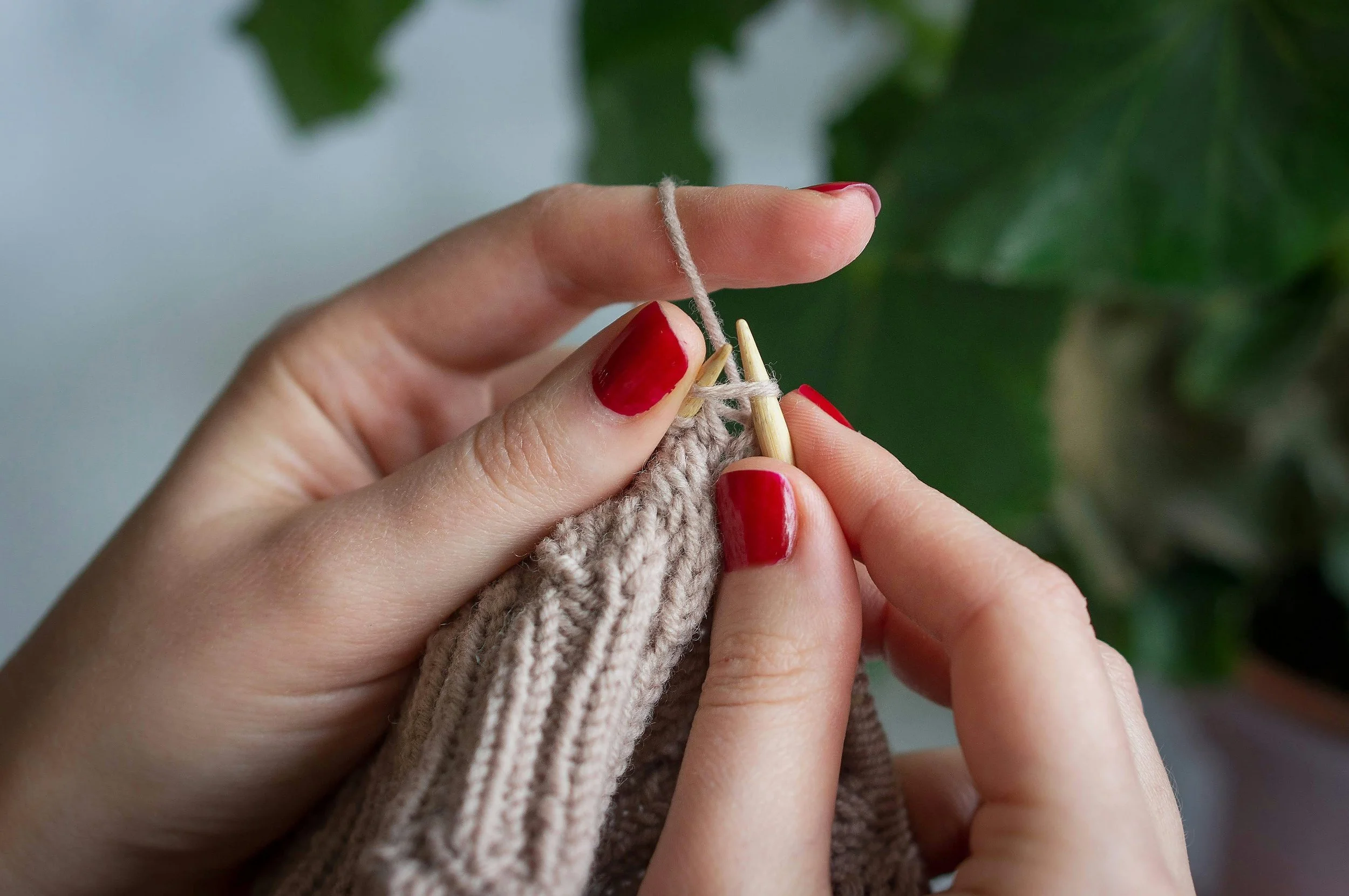
This week, I want you to find one thing to do that has zero return on investment. Pick up some cheap crayons, play a game on the easiest setting possible, or try to knit something that looks like a tangled mess. How does it feel to let yourself be "unproductive" for sixty minutes?
Work With Us
If this feels familiar to you or if you found this helpful, and you want to work through your own perfectionism, we are here to help. Schedule a call with our client care coordinator today to get scheduled with a therapist who can support you in finding your way back to balance…by bravely being bad at something.