




You may have learned what to do or say to make things go smoother. You may have learned what behaviors or attitudes made people stay. You learned what made you easier to accept.
And slowly, those lessons became automatic.
You may have learned what to do or say to make things go smoother. You may have learned what behaviors or attitudes made people stay. You learned what made you easier to accept.
And slowly, those lessons became automatic.
People with high-functioning anxiety often look very successful in maintaining their jobs, academics, parenthood, and other roles, yet internally are struggling with self-doubt, self-criticism, perfectionism, imposter syndrome, and persistent feelings of stress and being "on edge." High-functioning anxiety can affect people from any background, socioeconomic status, racial and gender identity, etc., and thus can present in each individual differently.
The dependency on love to ultimately feel good about ourselves today is sometimes known as codependency or love addiction, and has become normalized in our society, especially in context to monogamous romantic relationships.
Attachment styles are not your identity, but rather patterns for how your nervous system learned to keep you safe.
To pause does not mean to avoid, withdraw, dismiss, or ignore your partner's feelings. In fact, it signals, “I care enough to truly listen to what you have to say, but my brain isn’t in the right place to do that right now”.
You may have learned what to do or say to make things go smoother. You may have learned what behaviors or attitudes made people stay. You learned what made you easier to accept.
And slowly, those lessons became automatic.
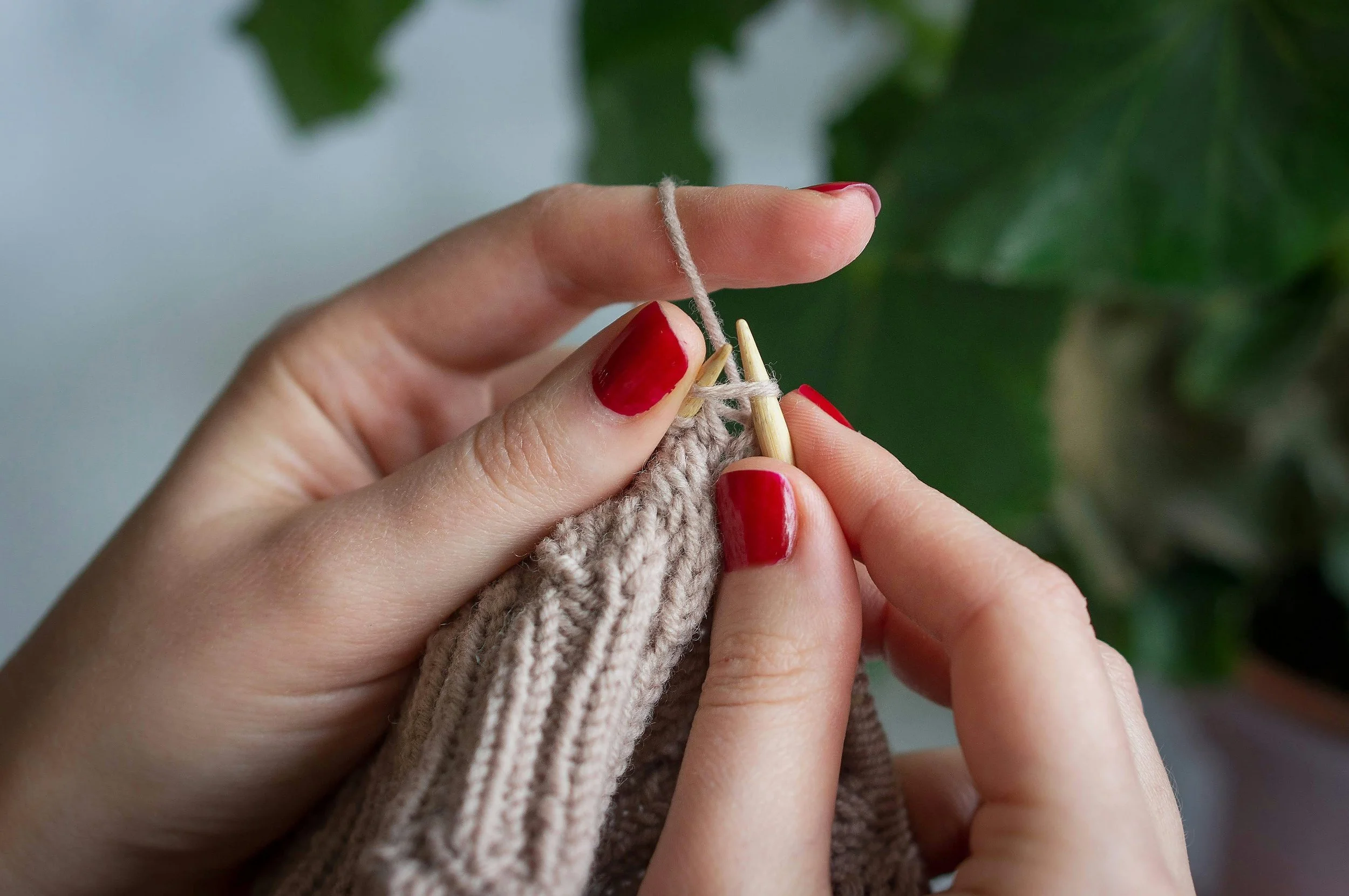
The moment we pick something up, our brain starts asking: How can I get better at this? How can I optimize this? Is this a productive use of my Saturday? The result? We never actually relax.
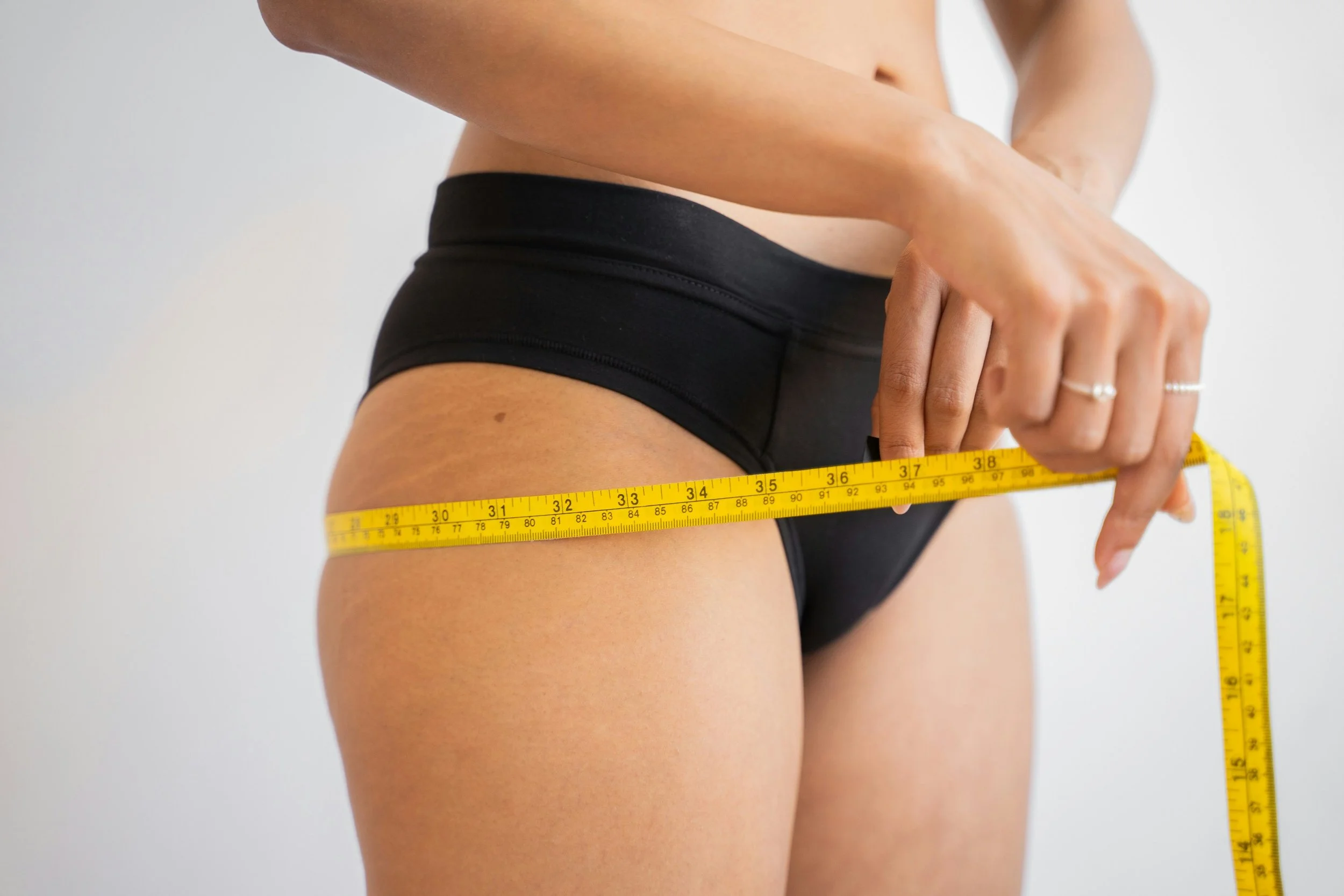
Many of us have complicated relationships with our bodies. For some, their body is a safe haven or a comfortable space where they are free to be and celebrate themselves. For others, the body is a source of disappointment, dissatisfaction, discomfort, and even self-hatred.
When we experience disappointing responses to our efforts, it’s tempting to make that mean something about how unskilled we are, how incompetent we must be, or even how unlovable or undeserving of a person we feel we are. We tell ourselves a story that if we had just worked a little harder, or said the right thing, or “mastered” the extremely simple art of toasting toast, then we would receive a more favorable response and thus, feel better about ourselves.
Shame can be one of the most painful and overpowering emotions in the human experience. It can feel intense, overwhelming, and really hard to talk about. Some people believe both guilt and shame are useful emotions that keep us aligned with our values.
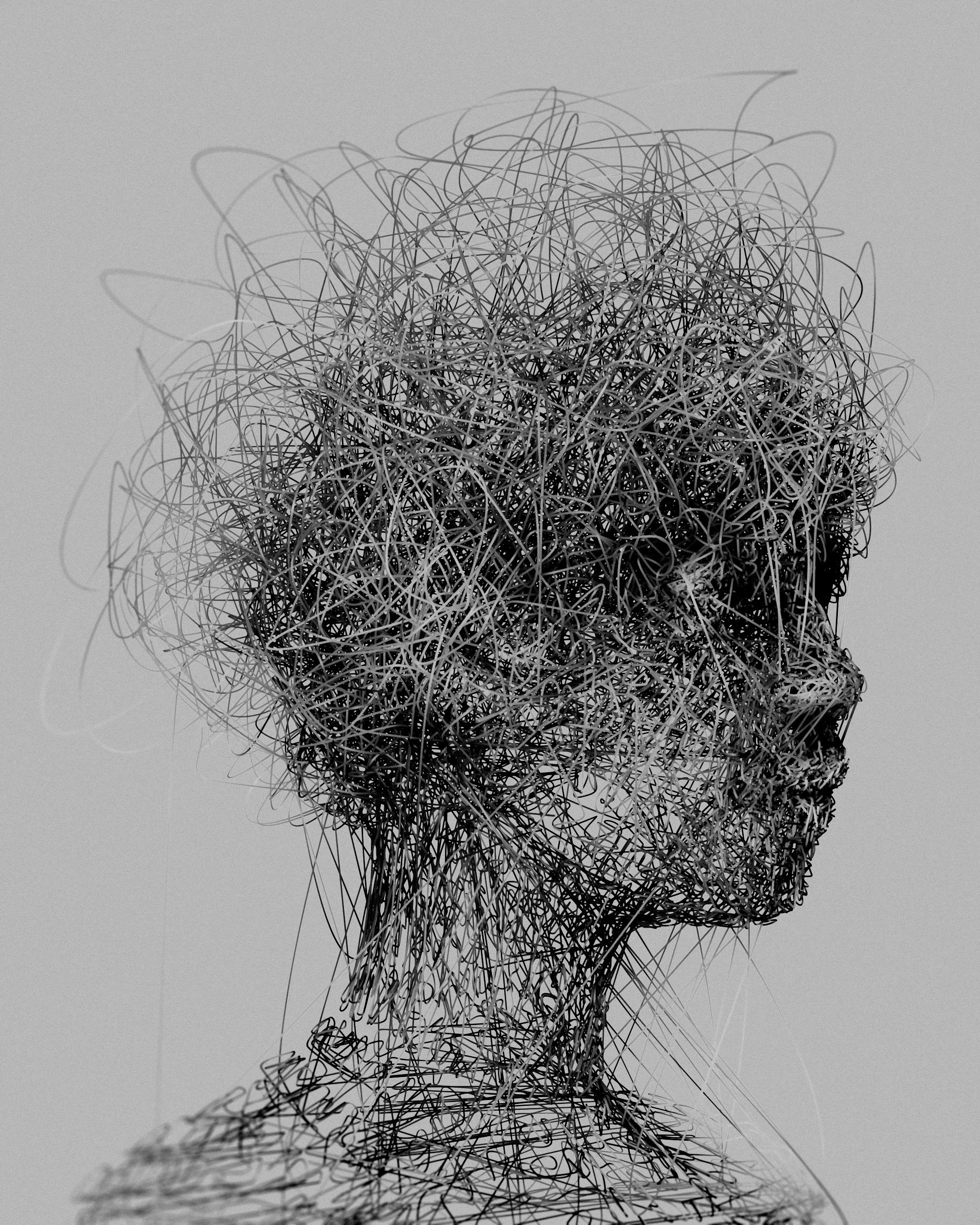
Overthinking can feel like a never-ending loop, keeping you stuck in a spiral of rumination and anxiety. It can be exhausting, overwhelming, and frustrating—especially when you know it’s unhelpful, but you just can’t seem to stop.
Through my work as a therapist and within my personal life, I’ve witnessed the pressure of society’s beauty standards, and how it can greatly impact someone’s self-esteem and body image. While this experience is fairly common, there is a difference between temporary dissatisfaction with your appearance and a diagnosis. For someone with Body Dysmorphic Disorder (BDD), this preoccupation can take over your daily life, leading to a constant loop of anxiety, self-doubt, and shame.
Life presents us with challenges–that is inevitable. Over the course of my life, I have witnessed immense resilience in people from my culture which presents as strikingly superhuman at times. However, certain key components and practices build this resounding resilience over time.
The word confidence comes from the Latin breakdown of the word: con' (with) and 'fidere' (trust). In essence, confidence is a trust in yourself. In order for others to witness you as a person with confidence, you must first develop that trust in yourself.