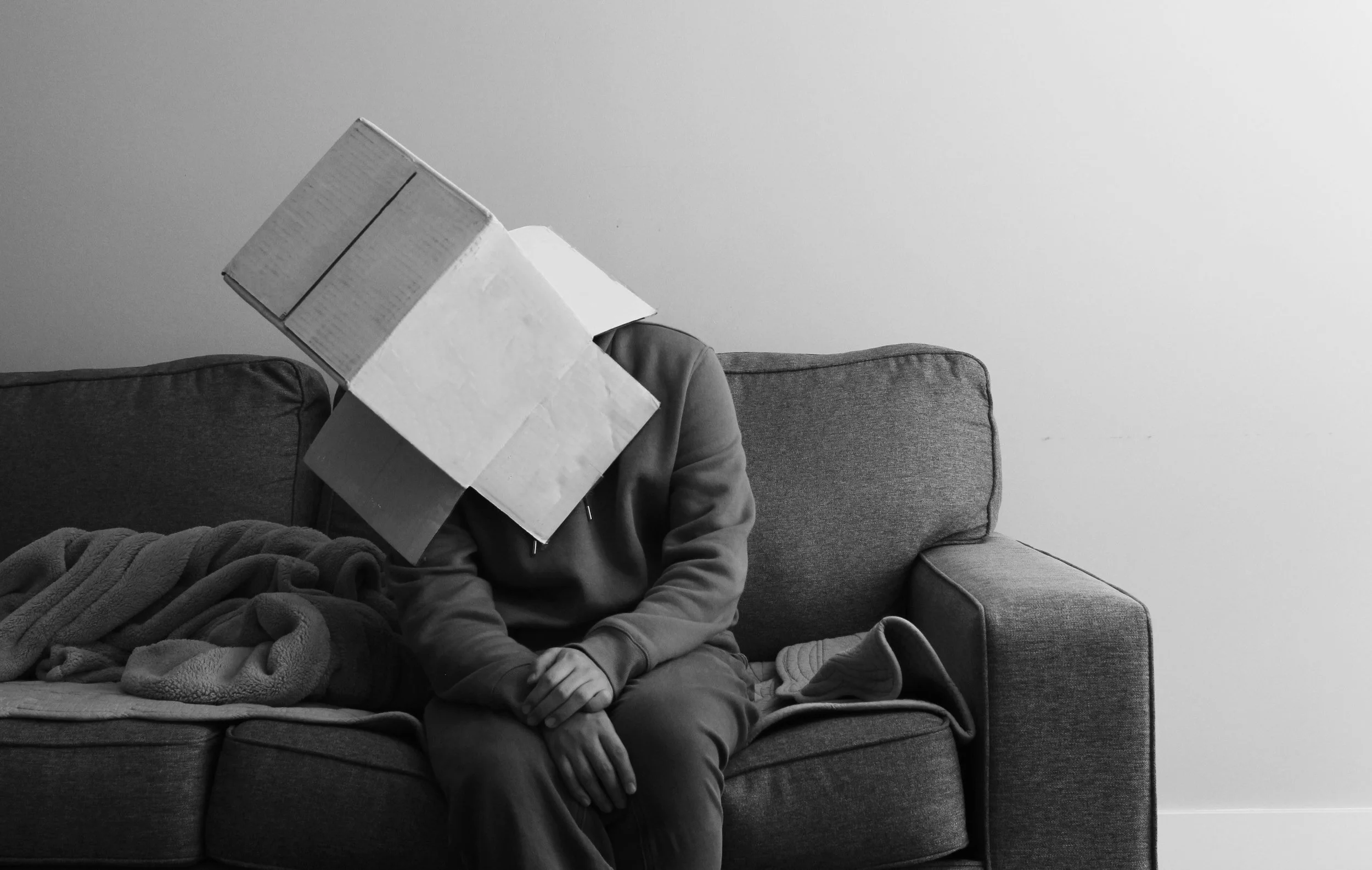

Emotional Suppression vs Regulation: What’s the Difference?
What is Emotional Regulation, Really?
The Common Myth
We often hear the words “emotional regulation” and think it means: “be rational instead of emotional” or “maybe just don’t feel your emotions at all!” Maybe you’ve even heard that if you let yourself feel the emotions, then people will view you as “emotionally unstable”. If you’ve heard any of the above, it totally makes sense. We’re often praised for being composed or keeping it all together, and punished for emotional expression (societally or relationally). A lot of people were taught that strong emotions often means a loss of control.
What Is the Difference Between Emotional Suppression and Emotional Regulation?
These two terms can often get confused, as they can be interpreted quite similarly. But let’s take a moment to look at the difference between the two.
Emotional suppression can look like:
Pushing feelings down
Ignoring your feelings
Telling yourself you “shouldn’t” feel the emotion
Functioning well on the outside while stress is coming out in other ways
Emotional regulation can look like:
Choosing how and when to express your emotions
Allowing yourself to feel your emotions without letting them run the show
Understanding what you’re feeling and why
When we choose to emotionally regulate, we are choosing to hold and honor a relationship with our emotions rather than eliminate them.
How Do I Know If I’m Suppressing My Emotions?
What Emotional Suppression Can Actually Cost You
How do I know if I’m engaging in emotional suppression or emotional regulation? This is such a human question. You can notice how your body feels and reacts after the flow of your emotions. Emotional suppression can show up later as:
Anxiety, irritability, or numbness
Emotional outbursts that come out of nowhere
Strain on your relationships (“I don’t know why I snapped”)
These reactions can oftentimes appear because suppressed emotions don’t just disappear when you shove them down. They wait for another opportunity to surface.
How to Practice Emotional Regulation
People aren’t born knowing how to emotionally regulate. This means if it doesn’t come naturally to you, you can still absolutely learn how to do it. Regulation doesn’t mean you’re always calm; in fact, regulated people still feel the full spectrum of emotions like sadness, anger, fear, etc. Emotional regulation is just a skill that’s learned over time. A regulated person can still feel deeply, but they can do so without losing themselves. In practice, regulation can look like noticing the emotion, naming it, and allowing it to show up without judgment.
What Does Emotional Regulation Look Like in Real Life?
Let’s make a few distinctions between emotional regulation and suppression in real time.
Regulation: “I’m upset and need a minute before we talk.”
Suppression: “I’m fine” while feeling resentful, frustrated, etc.
Regulation: Acknowledging your grief, adjusting your expectations, and finding an appropriate time to process it
Suppression: Pushing through your days and ignoring your grief
Emotional regulation is not something you master overnight. And you’re not doing anything wrong by letting yourself feel your emotions. If you’re ready to build a practice around emotional regulation, schedule a consultation call with our client care coordinator who can match you with one of our therapists. We look forward to helping you!